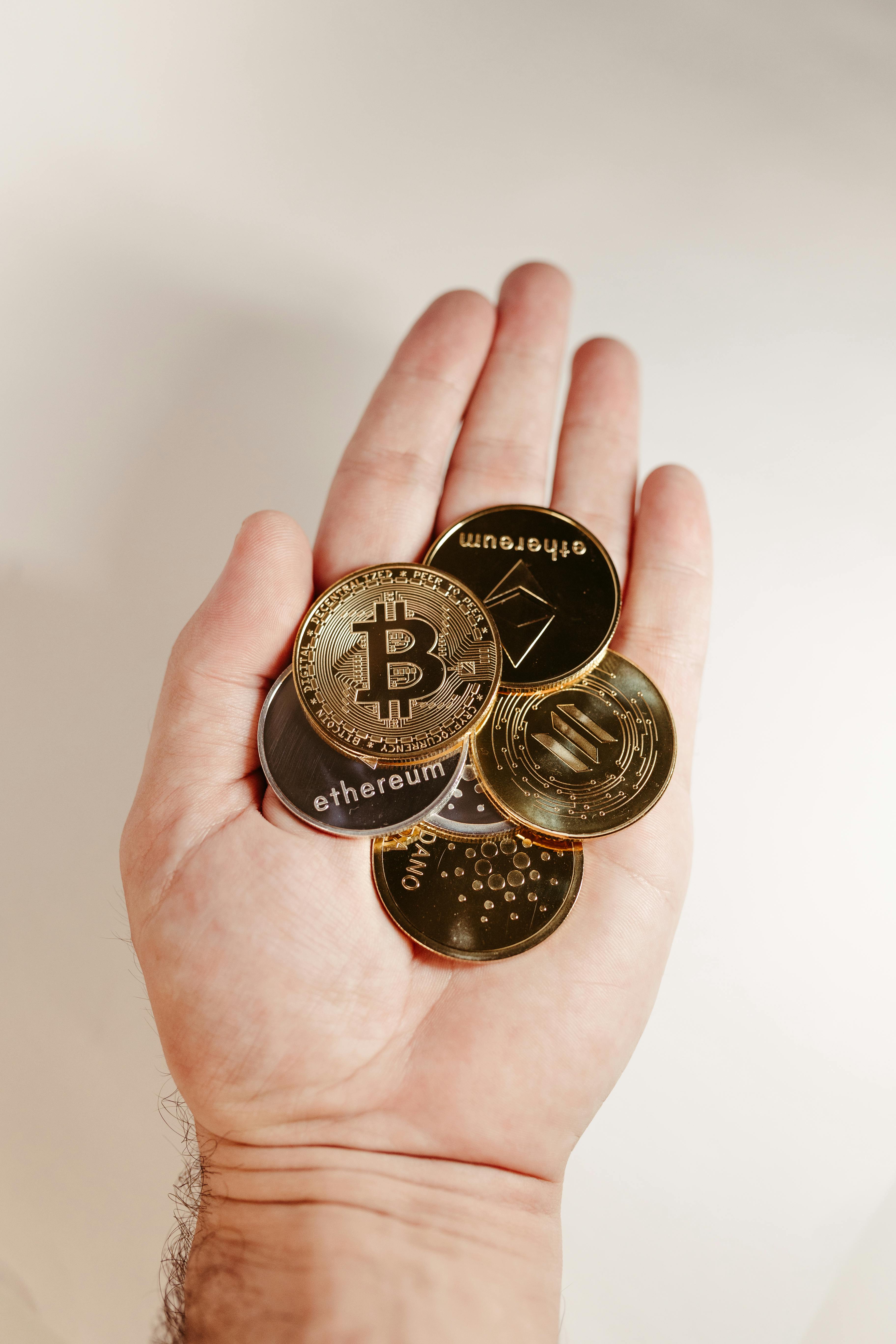
Fastest Growing Tokenized Real World Assets: Treasuries to Real Estate
Quick read below — save or share if useful.
The rapid expansion of tokenized real-world assets (RWAs) is a significant development within the blockchain landscape. As traditional finance (TradFi) increasingly intersects with the decentralized world, various asset classes are being digitized and represented on-chain. Among these, treasuries, real estate, stocks, commodities, and private credit are leading the charge, unlocking new possibilities for accessibility, liquidity, and efficiency. Understanding the implications of this trend is essential for crypto-curious readers who seek to navigate the complexities of digital assets.
Treasuries: A Safe Haven in Digital Form
Tokenizing treasuries presents an intriguing opportunity within the decentralized finance (DeFi) space. By creating digital representations of government-issued debt instruments, investors can access a more liquid and efficient market. Tokenized treasuries allow for instant settlement and reduced counterparty risk, which can be particularly appealing in times of economic uncertainty. The ability to fractionalize these assets also democratizes access, enabling smaller investors to participate in treasury markets that were once limited to institutional players.
Real Estate: Revolutionizing Ownership
The tokenization of real estate is perhaps one of the most transformative applications of blockchain technology. By converting properties into digital tokens, ownership can be divided into smaller, more manageable pieces. This fractionalization not only makes real estate investment accessible to a broader audience but also enhances liquidity, allowing for quicker transactions. As real estate markets often experience illiquidity, the application of blockchain can bring about greater transparency and efficiency in property trading.
Stocks: Improving Market Efficiency
Tokenized stocks are rapidly gaining traction, offering investors the chance to trade traditional equities in a decentralized manner. The advantages are significant: reduced settlement times, lower transaction fees, and enhanced accessibility to a global pool of investors. This shift could challenge traditional exchanges by enabling direct peer-to-peer trading. As regulatory frameworks evolve, the adoption of tokenized stocks may reshape how we think about equity markets.
Commodities: Linking Physical and Digital Assets
Tokenization is also finding its footing in the commodities market, where raw materials such as gold, oil, and agricultural products can be digitized. This innovation can improve logistics, tracking, and storage of commodities while boosting transparency in pricing and ownership. Investors can benefit from real-time pricing and the ability to trade commodities more flexibly than through traditional channels. The burgeoning interest in tokenized commodities highlights a broader shift in how tangible assets are viewed in the digital economy.
Private Credit: Expanding Investment Horizons
The private credit market is often reserved for institutional investors due to its complexity and regulatory restrictions. However, the tokenization of private credit can democratize access, allowing a wider range of investors to participate in lending opportunities previously unavailable to them. By leveraging blockchain, these financial products can provide greater clarity and faster execution times, potentially attracting a new class of investment into private debt markets.
- Understand the growth potential: Each of these asset classes is moving towards tokenization rapidly, highlighting expanding opportunities.
- Consider the risks: While blockchain brings benefits, it also carries risks associated with technology, regulatory scrutiny, and market volatility.
- Diverse investment options: Explore a variety of tokenized assets to diversify your investment portfolio responsibly.
- Stay informed on regulations: As tokenization grows, so does the need for a clear regulatory framework impacting these assets.
- Evaluate platforms: Research platforms offering tokenized assets to understand their security, compliance, and market strategies.
FAQ
What are tokenized real-world assets? Tokenized real-world assets are digital representations of actual assets, such as treasuries, real estate, stocks, commodities, and private credit, created on blockchain platforms for easier trading and ownership transfer.
Why is asset tokenization important? Asset tokenization increases liquidity and accessibility, allowing more investors to participate in markets that were previously limited to institutional players, ultimately contributing to a more democratized financial ecosystem.
In conclusion, the tokenization of real-world assets marks a pivotal moment in the convergence of traditional finance and blockchain technology. As treasuries, real estate, stocks, commodities, and private credit rapidly adopt this innovative approach, the potential for more fluid and inclusive financial markets becomes increasingly apparent. Understanding these developments is crucial for anyone interested in navigating the evolving landscape of digital assets and blockchain applications.
- 𝕏 Twitter: @0_Simone_0
- 🎥 YouTube: Audiobook Free – Author Ciro Irmici
- 📸 Instagram: @spartaco_94_
- 💻 Tech Trends: techtrendspins.blogspot.com
- 💪 Fitness Home Journal: fitnesshomejournal.blogspot.com
- 🐾 Pet Care Inspo: petcareinspo.blogspot.com
- 🌍 Nomad Vibes Board: nomadvibesboard.blogspot.com
- 💰 Crypto Radar Board: cryptoradarboard.blogspot.com
- 🌱 Green Planet Pins: greenplanetpins.blogspot.com
- 🥗 Healthy Eats Board: healthyeatsboard.blogspot.com
Enjoyed this post? Share it or explore more across my blogs and channels.