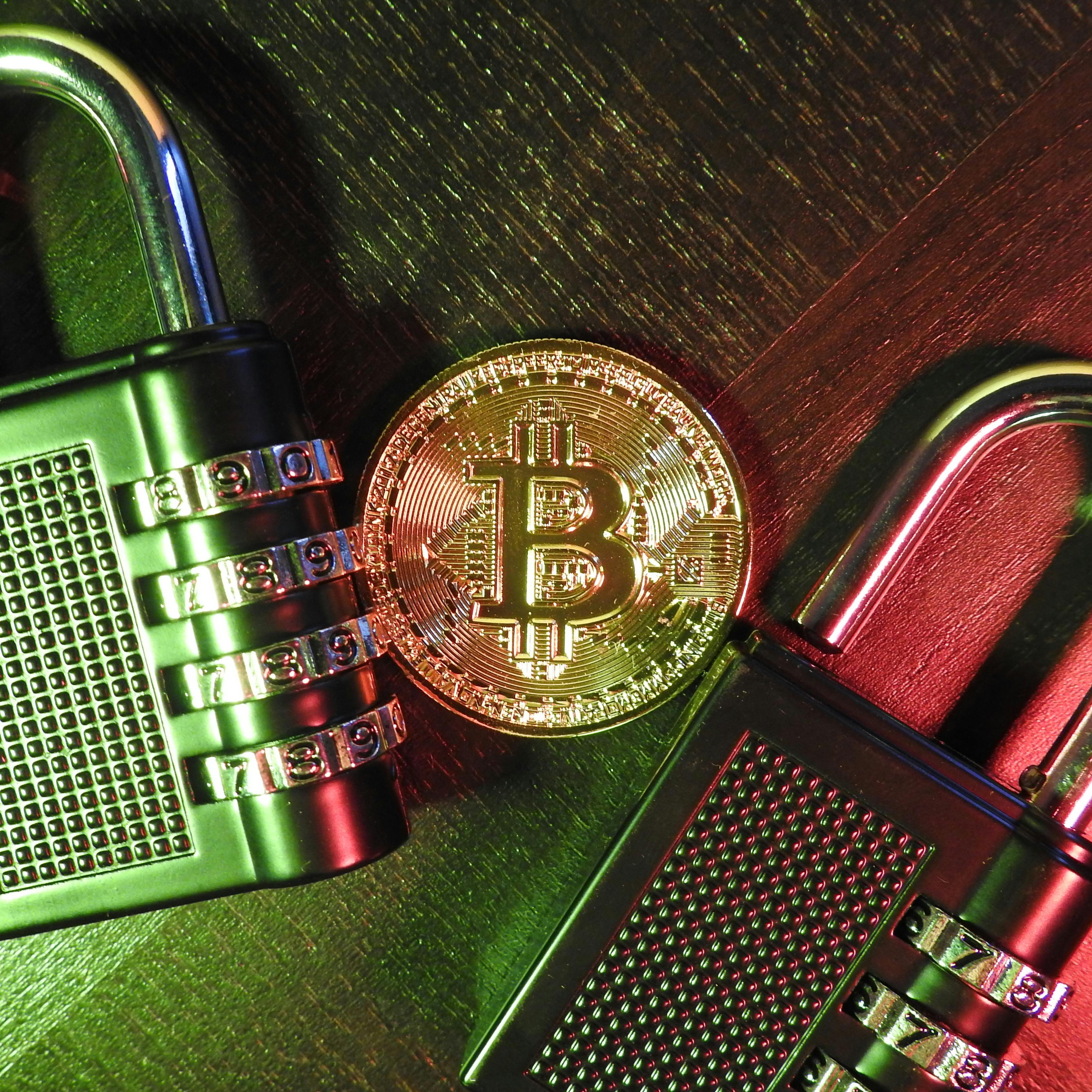
Coldcard Attacks Raise Concerns About Hardware Wallet Security
Quick read below — save or share if useful.
The recent revelations concerning Coldcard wallets and specific security vulnerabilities have sparked significant debate within the crypto community. As more users turn to hardware wallets for storing their digital assets, these attacks have raised critical questions about the overall security assumptions many hold regarding hardware wallets. Are all hardware wallets now equally insecure, or is this a singular issue? Understanding the nuances of these vulnerabilities is crucial for anyone concerned about protecting their cryptocurrency holdings.
Understanding the Coldcard Vulnerability
Coldcard wallets are renowned for their heightened security features, appealing to both individual users and those operating within the spheres of Bitcoin mining and trading. However, the recent issues related to the Coldcard wallet's entropy flaw have revealed a potential weakness that could be exploited. This flaw pertains to the randomness used in the wallet's key generation processes, which if compromised, could lead to unauthorized access to a user’s funds.
It's essential to grasp that the problem here lies not just with Coldcard wallets but raises larger discussions around the security frameworks and underlying technologies employed by hardware wallets in general.
The Implications for Hardware Wallets
If a vulnerability is found in a popular brand like Coldcard, it leads to a ripple effect of fear and confusion across the entire sector of hardware wallets. Users may begin to question the reliability of other brands such as Ledger, Trezor, or Foundation, prompting some to reconsider their storage options. While this vulnerability highlights genuine concerns, it doesn’t inherently mean that all hardware wallets are insecure. Instead, it emphasizes the importance of continual developments in security practices within this rapidly evolving industry.
Hardware Wallets: An Overview
To provide context, hardware wallets are physical devices designed to securely store a user's private keys offline. In comparative terms to software wallets, which could be vulnerable to hacks and malware attacks, hardware wallets offer enhanced security by keeping sensitive information isolated from internet exposure. They act as a critical layer of protection in a user’s cryptocurrency strategy.
Nevertheless, no technology is infallible. The security of hardware wallets relies heavily on their firmware and the protocols in place to safeguard them against potential exploits. The Coldcard incident serves as a stark reminder of the persistent adversities that can emerge even in trusted systems.
Key Takeaways for Crypto Users
- Hardware wallets are generally more secure than software wallets but still require due diligence.
- Stay informed about vulnerabilities and perform regular firmware updates.
- Understand the specific security features and weaknesses of your chosen wallet brand.
- Consider diversifying storage options across multiple wallets for increased security.
- Use community advice and resources to evaluate wallet security before making a decision.
Moving Forward: Best Practices
Given the evolving landscape of cryptocurrency implementation and security, users must prioritize personal responsibility when it comes to safeguarding their assets. This includes taking an active role in learning about vulnerabilities, participating in community discussions, and staying alert to industry news, especially regarding potential security breaches.
Additionally, it may be wise to practice using multi-signature wallets or cold storage methods that enable an added layer of security against such vulnerabilities.
FAQ
Are all hardware wallets unsafe after the Coldcard incident? While the Coldcard vulnerability raises concerns, not all hardware wallets are equally compromised. Each brand has its security measures, so thorough research is essential.
How can I determine if my hardware wallet is secure? Regularly update the firmware, participate in user communities, and remain alert regarding any news or vulnerabilities affecting your specific wallet brand.
In conclusion, the Coldcard attacks have undoubtedly raised concerns about hardware wallet security. However, this event should serve as a cue for users to reassess their strategies and stay informed rather than abandoning hardware wallets altogether. Awareness and diligence are key to navigating the ever-changing landscape of cryptocurrency security, ensuring that users can continue to manage their digital assets confidently.
- 𝕏 Twitter: @0_Simone_0
- 🎥 YouTube: Audiobook Free – Author Ciro Irmici
- 📸 Instagram: @spartaco_94_
- 💻 Tech Trends: techtrendspins.blogspot.com
- 💪 Fitness Home Journal: fitnesshomejournal.blogspot.com
- 🐾 Pet Care Inspo: petcareinspo.blogspot.com
- 🌍 Nomad Vibes Board: nomadvibesboard.blogspot.com
- 💰 Crypto Radar Board: cryptoradarboard.blogspot.com
- 🌱 Green Planet Pins: greenplanetpins.blogspot.com
- 🥗 Healthy Eats Board: healthyeatsboard.blogspot.com
Enjoyed this post? Share it or explore more across my blogs and channels.